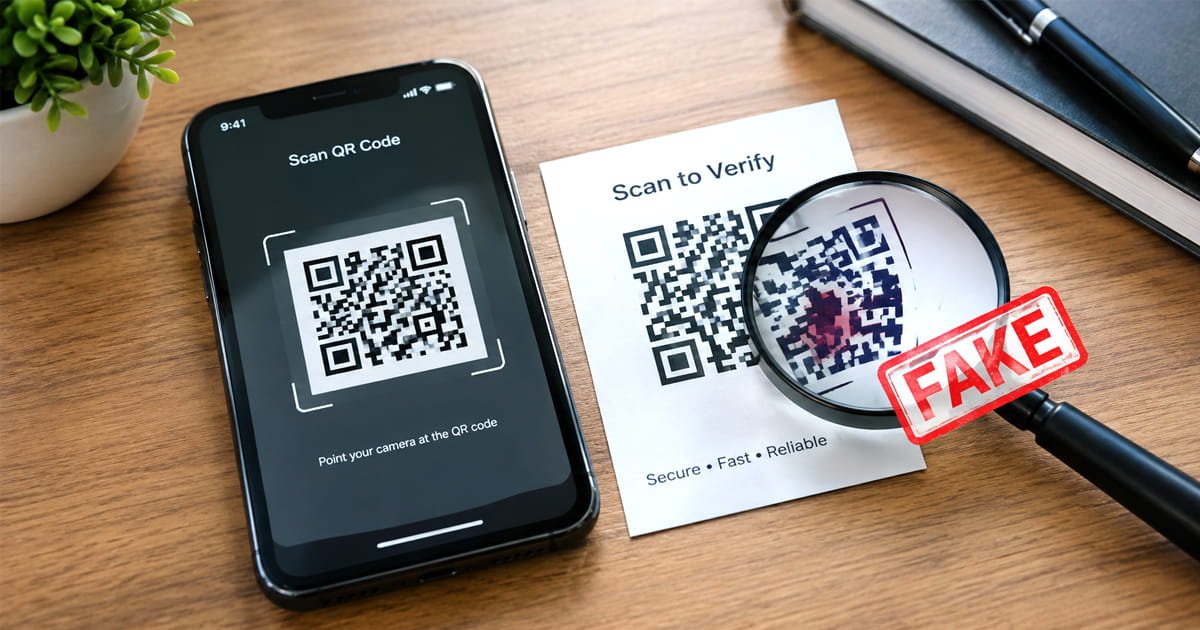
A QR code confirming a product is authentic doesn't always mean it's genuine. Here's how counterfeiters copy authentication codes, and what actually stops it.
Picture this: you're buying a secondhand designer bag, maybe from a resale app, maybe from someone on Instagram. You're careful about it you scan the little authentication QR code sewn into the lining, the one the brand put there specifically so buyers like you could check. Your phone lights up green. "Authentic product." Relief. You pay.
Except the bag is fake. Not a cheap, obviously-wrong fake either a genuinely convincing one, good enough that the seams, the hardware, even the stitching pattern would fool most people. And the QR code told you it was real, because in a very specific, very exploitable way, it was just not attached to your bag.
This isn't a hypothetical scare story. It's a documented pattern in how counterfeiters are beating brand authentication systems in 2026, and understanding exactly how it works is the difference between a QR code actually protecting you and one that just makes you feel protected while doing nothing of the sort.
The trick is almost embarrassingly simple
Here's the part that surprises people: a lot of "authenticate this product" QR codes don't actually verify your specific item. They verify that the code itself is real. Those sound like the same thing. They aren't.
If a brand's authentication system just checks "does this QR code exist in our database and point to a genuine product record," a counterfeiter only needs to do one thing: buy a single real item once, photograph or scan its authentic QR code, and print that exact same code onto an unlimited number of fakes. Every one of those fakes will scan as "authentic," because technically, the code is it's just been copied wholesale from a genuine product and pasted onto items that have nothing to do with it. Security researchers call this a replay or duplication attack, and it's been the single biggest weakness in first-generation product authentication QR codes since brands started using them at scale.
It's a genuinely uncomfortable thing to sit with as a shopper: the presence of a scannable, brand-issued QR code doesn't automatically mean anyone bothered to build in protection against someone just… copying it.
Why this has become such a big deal right now
The stakes here aren't small. The global trade in counterfeit goods is estimated at roughly $467 billion a year, according to OECD figures cited in industry reporting more than 2% of all global imports with handbags, watches, and footwear among the most heavily targeted categories. And the counterfeits themselves have gotten dramatically better. Industry researchers now use the term "superfakes" specifically because the old tells sloppy stitching, wrong fonts, cheap hardware have largely stopped being reliable, with AI-assisted manufacturing narrowing the gap between real and fake to the point where even trained retail staff can struggle to tell the difference by eye alone.
There's also a commercial angle driving urgency here that has nothing to do with individual shoppers directly: returns fraud. A 2025 National Retail Federation report found roughly 9% of all retail returns were fraudulent, with counterfeit swaps where someone buys a genuine item, replaces it with a fake, and returns the fake in the original box becoming a specifically growing tactic, alongside a 64% rise in what the industry calls "decoy returns." A verification system that can be defeated by copying a code isn't just a shopper-protection problem anymore; it's a direct hit to retailers' bottom lines.
What actually stops the copy-paste trick
The good news is the industry knows exactly what the weakness is, and serious authentication systems have moved well past it. The fix, broadly, comes down to making each code unique to a single physical item rather than unique to a product line and then checking, at the moment of the scan, whether that specific code has already been "used up."
A few approaches worth knowing about, since you'll increasingly encounter them without realizing which one you're dealing with:
- Serialized, database-checked codes. Instead of one QR code per product design, each individual unit gets its own unique code, tied to a specific serial number in a live database. Scan it, and the system checks not just "does this code exist" but "has this exact code already been registered as sold, and does the scan location or pattern look suspicious." A code that's been scanned as "first activation" in three different countries in the same week is a real flag, not something a simple lookup would catch.
- Invisible cryptographic signatures. Some brand-protection systems now embed a mathematically unique signature directly into the printed artwork of a label or tag invisible to the eye, unrelated to the QR code itself, and checked against a secure server independently. Because there's no visible marker for a counterfeiter to even find, let alone copy, this closes the specific hole that plain QR duplication exploits.
- Physical fingerprinting. A newer approach pairs a QR code with a scan of the product's own microscopic surface texture the unique, essentially unclonable pattern of a specific piece of leather or packaging material so the code and the physical item are cryptographically bound to each other. Copy the code onto a different item, and the surface fingerprint won't match, even if everything else looks perfect.
- Blockchain-recorded ownership. The luxury industry's Aura Blockchain Consortium founded by LVMH, Prada, and Richemont has recorded more than 40 million individual products across brands including Louis Vuitton, Cartier, and Bulgari, creating a permanent, tamper-resistant ownership and authenticity record that follows a specific item through resale rather than just confirming a product line is genuine.
The regulatory push making this less optional
This isn't purely a brand-by-brand choice anymore, either. The EU's Digital Product Passport regulation the same framework reshaping textile exports we've covered before, including its direct impact on Pakistan's textile industry specifically designates QR codes as the standardized data carrier for fashion and textile goods sold in the EU, with the central registry going live in 2026 and textile-specific compliance phasing in from 2027. Luxury retailers aren't just adopting serialized, verifiable QR authentication because it's good practice; within the EU market, it's becoming a compliance requirement layered directly on top of the anti-counterfeiting motive.
It's part of the same broader shift we've written about with the retail barcode-to-2D-code transition happening globally the humble product code is quietly being asked to do far more work than it ever used to, and authentication against counterfeiting is one of the biggest reasons why.
What this actually means next time you're buying something
- "It scanned as authentic" isn't the reassurance it sounds like unless you know what kind of system you're dealing with. A code that only confirms it exists in a database is weaker than one that flags reuse or ties to a physical fingerprint.
- Be more cautious with resale and secondhand purchases specifically — this is exactly where a copied authentication code is most likely to get reused, since the item has already changed hands at least once outside the brand's direct control.
- A code that's visibly worn, re-glued, or positioned differently from where the brand normally places it is worth treating as a red flag on its own, separate from whether the scan itself comes back positive.
- When in doubt on a high-value purchase, buy from a platform or seller that uses the brand's own official verification app, rather than a generic QR scanner brand-specific apps are more likely to be checking against the live, serialized backend rather than just confirming a code's format looks right.
The uncomfortable truth here isn't that QR codes are bad at authentication done properly, with serialization and live database checks, they're genuinely effective. It's that "there's a QR code on it" and "this QR code actually proves anything about your specific item" are two very different claims, and right now, most shoppers have no way to tell which one they're looking at.